
28 Mar Long‑Term Personal Loans: How Extended Terms Shape Your Financial Future
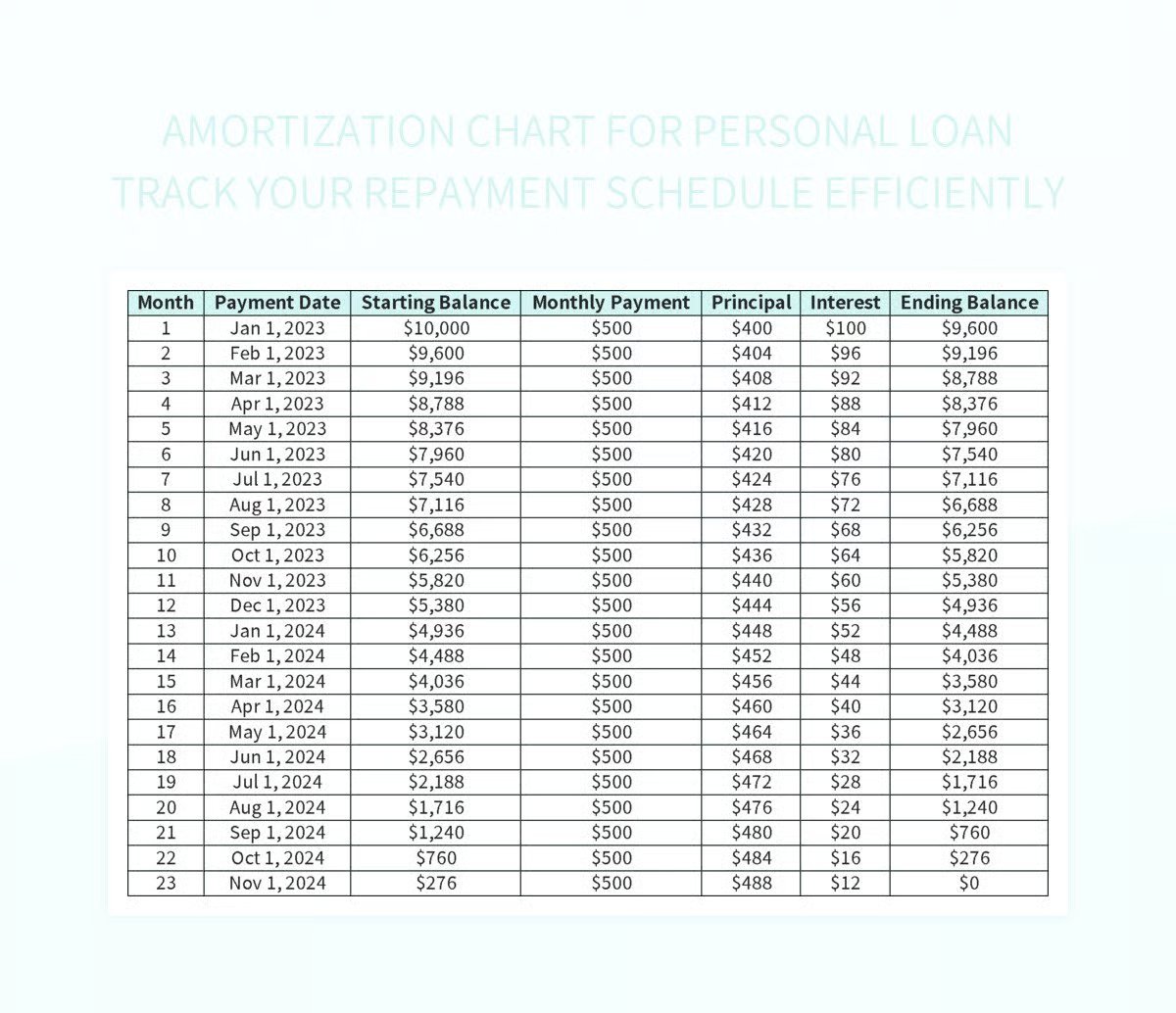
When the unexpected knocks on your door—whether a home repair, medical bill, or a sudden opportunity—a personal loan can be a lifeline. But the way you structure that loan matters as much as the amount itself. In recent years, lenders have begun offering repayment terms stretching up to 12 years, a move that promises smaller monthly payments and greater budgeting flexibility.
Why Longer Terms Are Gaining Traction
Traditionally, personal loans capped at five years. That limit left borrowers juggling high monthly obligations while still paying off other debts. The shift toward longer terms—sometimes up to 240 months—responds to consumers craving lower payments and the ability to spread risk over time.
According to CNBC Select’s latest roundup of long‑term personal loan lenders, “Choosing a personal loan with a longer repayment term gives you more time to repay the entire balance, and your monthly payments will likely be smaller (and thus, slightly easier to budget for).” However, this advantage comes at a cost: “While this could mean paying more interest over the entire term… choosing a loan without a prepayment penalty and making additional payments can help you save on interest.” CNBC Select
- Extended terms reduce monthly strain.
- Total interest may rise if the loan is not paid early.
- Lenders often waive prepayment penalties to attract borrowers.
Key Players Offering Extended Terms
Several lenders now feature long‑term options. Among them, Upgrade and SoFi stand out for their flexible repayment schedules and competitive rates. The former offers terms up to 84 months, while the latter allows borrowing up to $100,000 with repayment periods stretching seven years.
| Lender | Maximum Term (months) | APR Range | Key Features |
|---|---|---|---|
| Upgrade | 84 | 8.74% – 35.49% | No origination fees, no early payoff penalties |
| SoFi | 84 | 8.74% – 35.49% | Co‑applicant option, autopay discount |
| Citi Personal Loans | 60 | 6.99% – 19.99% | Fast approval, flexible disbursement options |
While these figures give a snapshot, rates fluctuate based on creditworthiness and market conditions—so borrowers should compare offers in real time.
How Credit Scores Influence Long‑Term Loan Terms
Credit scores remain the linchpin of loan eligibility. Lenders typically reserve lower APRs for borrowers with excellent or good credit. Those with fair or poor credit may still secure a loan but often face higher rates and shorter terms.
A study by Credit Karma highlighted that “Just keep in mind that the lower your credit score, the higher your interest rate may be.” That said, some fintech platforms—like Earnin and MoneyLion—offer small cash advances without requiring a traditional credit check, making them suitable for short‑term needs rather than long‑term borrowing.
- Excellent credit: 6–10% APR
- Good credit: 10–15% APR
- Fair/poor credit: 15%+ APR
The Trade‑Off Between Monthly Payments and Total Interest
Imagine borrowing $10,000. At a 7% APR over five years, the monthly payment is roughly $184, totaling about $11,040 in interest. Stretching that to seven years reduces the monthly payment to around $148 but increases total interest to approximately $13,200.
Financial planners advise borrowers to weigh whether lower monthly payments outweigh higher overall costs. “Choosing a loan without a prepayment penalty and making additional payments can help you save on interest,” CNBC notes. In practice, that means setting aside extra funds whenever possible or automating extra payments through the lender’s portal.
Fees That Can Inflate Your Repayment Cost
Even with no origination fees, other hidden costs can creep in. Late payment penalties, early repayment fees (if not waived), and service charges for online banking can add up. A quick scan of multiple lenders reveals that:
| Lender | Origination Fee | Late Payment Penalty | Prepayment Fee |
|---|---|---|---|
| Upgrade | No | $25 | No |
| SoFi | No | $30 | No |
| Citi Personal Loans | 1.5% – 3% | $35 | No |
Reading the fine print before signing can prevent unpleasant surprises down the line.
Speed of Disbursement: A Critical Factor for Urgent Needs
While long terms ease monthly budgets, borrowers often need funds quickly. Some lenders boast “funding within 24 hours” once the application is approved. For instance, LightStream claims to approve and disburse same‑day if the application completes before 2:30 p.m. ET.
- Fast funding: 1–3 days
- Standard processing: 5–7 business days
- Delayed approval: 10+ days
Choosing a lender with rapid disbursement can be decisive when time is of the essence.
What Consumers Should Look For When Comparing Long‑Term Loans
- APR and Total Cost: Compare the APR, but also calculate total interest over the loan’s life.
- Fees: Scrutinize origination, late payment, and prepayment charges.
- Flexibility: Check for autopay discounts or the ability to make extra payments without penalty.
- Eligibility Criteria: Verify credit score thresholds and income documentation requirements.
- Customer Support: Look at reviews for responsiveness, especially when disputes arise.
When all these factors align with your financial goals, a long‑term personal loan can be a strategic tool rather than a burden.
FastLendGo Financial Solutions Hub: Your Partner in Long‑Term Financing
For those exploring extended repayment options, FastLendGo offers a streamlined platform that matches borrowers with lenders offering up to 84‑month terms. By leveraging data analytics and real‑time credit assessments, FastLendGo’s FastLendGo Financial Solutions Hub simplifies the application process and presents competitive offers tailored to individual risk profiles.
Whether you’re a seasoned borrower or new to personal loans, FastLendGo’s user‑friendly interface allows you to compare rates, fees, and terms in one glance. The hub also provides educational resources—such as calculators for total interest projection and budgeting tips—to help users make informed decisions before signing.
Insights from Industry Experts
Financial analyst Maya Patel notes that “the rise of extended personal loan terms reflects a broader trend toward consumer financial flexibility.” She adds, “Borrowers who plan to pay off debt gradually often benefit from lower monthly obligations and the ability to re‑finance if market rates drop.” Credit Karma
Similarly, CNBC’s research team emphasizes that “while longer terms can reduce immediate strain, borrowers should remain vigilant about total interest costs and potential fees.” Their comprehensive guide on long‑term loans underscores the importance of evaluating all variables before committing. CNBC Select
By combining these insights with FastLendGo’s tailored matching service, borrowers can navigate the complex landscape of long‑term personal loans more confidently.
Sorry, the comment form is closed at this time.